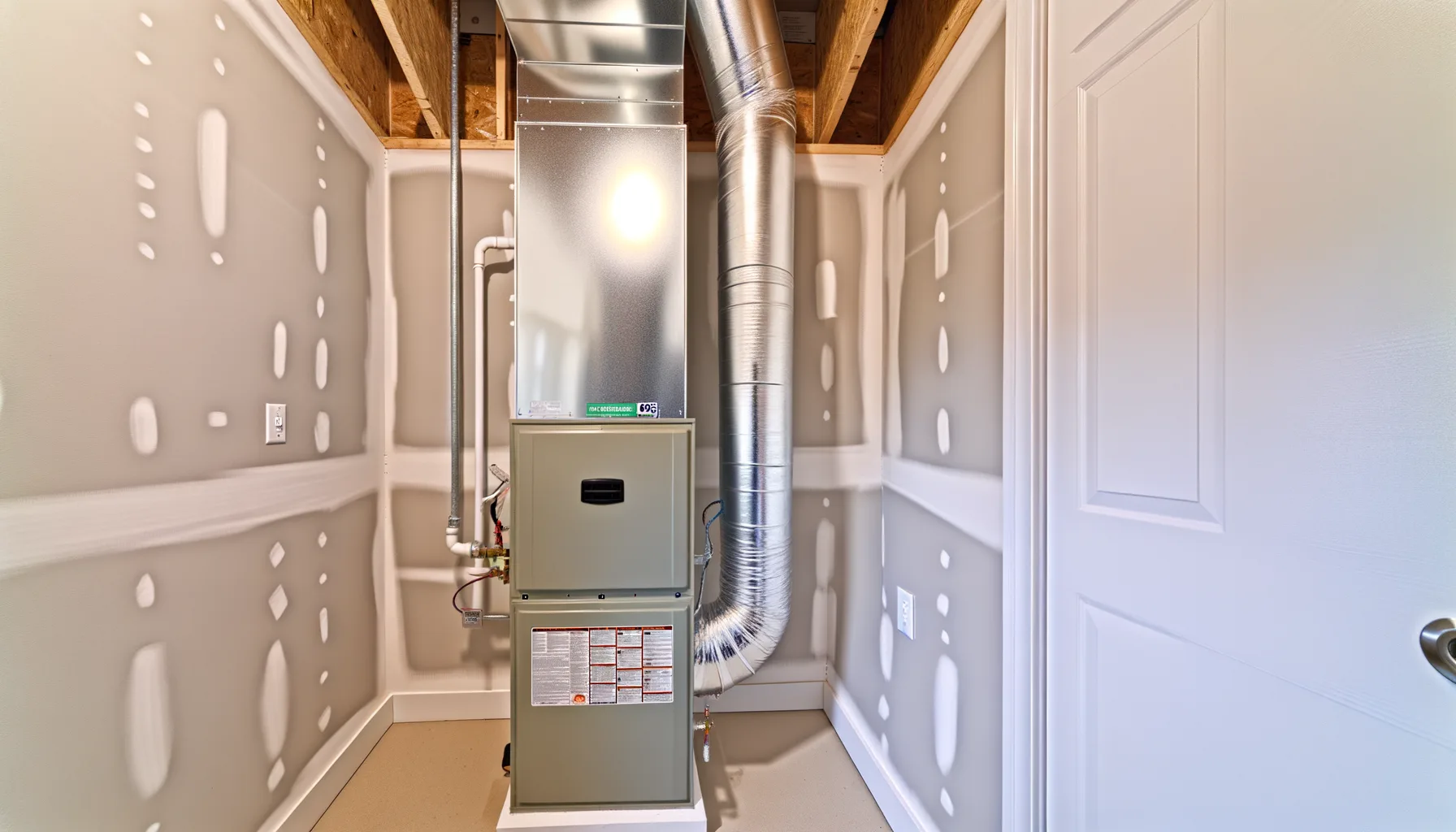
Top 10 HVAC Myths Denver Homeowners Still Believe
Published: 2026-04-28 · By Peak Comfort Heating and Cooling
Imagine waking up in your Denver home to a surprise snowstorm in April after a balmy 70-degree day just the week before. Many homeowners are caught off guard during these dramatic temperature swings, often leading to misunderstandings about their heating and cooling systems. The myths surrounding HVAC units can be costly and inconvenient, especially when you need them the most. Let’s dive into the top 10 HVAC myths that might be impacting your comfort and wallet.
Why This Matters for Denver Homeowners
Myths about HVAC systems can lead to poor decisions, which can turn into costly mistakes for Denver homeowners. In a city prone to rapid shifts in temperature, understanding how your heating and cooling work is essential. For example, many believe that running your HVAC system on maximum is always the best approach, but this can lead to increased energy bills and unnecessary wear and tear on your unit.
Moreover, misconceptions about maintenance schedules could cause your system to fail when you need it most. Denver's unique environment—characterized by heavy hail storms and freeze-thaw cycles—amplifies the importance of regular checks and proper care. Neglect could lead to significant structural stress in your home.
Understanding these myths can save you money and stress in the long run. An informed homeowner is better equipped to maintain comfort while protecting their investment.
Expert Solutions & Actionable Tips
1. Myth 1: Bigger Pumps Better
Many homeowners in Denver assume that the bigger the HVAC system, the better it will perform. In reality, oversized systems lead to short cycling. This means the unit turns on and off frequently, causing inefficiency and increased utility costs. For optimal performance, consider sizing your HVAC system appropriately with the help of a professional.
2. Myth 2: You Only Need HVAC Maintenance in Winter
Some Denver homeowners believe that HVAC maintenance is only necessary once temperatures drop. However, with our variable weather, spring maintenance is just as crucial. After winter, your system might have accumulated debris or strain, especially from snowmelt. Schedule a tune-up in early spring for around $100 to ensure efficient operation through the warmer months.
3. Myth 3: Ceiling Fans Cool a Room
Many think that simply running ceiling fans will cool a room during hot summer days in Denver. However, fans do not lower the temperature; they only create a wind-chill effect. In fact, using fans while your air conditioning runs can help circulate air, but relying solely on fans isn't effective. Consider setting your thermostat a few degrees higher while using ceiling fans to save energy.
4. Myth 4: Programming Your Thermostat Isn’t Worth It
Some homeowners underestimate the benefits of a programmable thermostat. Next time you leave for work, adjust your settings to save energy. In Denver, this could mean lowering the temperature in winter and raising it in summer, saving around 10-15% on your energy bill annually. Installing one could cost between $50-$200, providing significant savings over time.
5. Myth 5: All Filter Changes are the Same
It's a common myth that any air filter will do. However, the air quality in Denver can be compromised by local pollen and dust, making MERV 8 or higher filters a better choice. Check your filters every month especially during high pollen seasons and clean or replace them every 3 months to prevent clogs and improve airflow.
6. Myth 6: Cranking the Heat Will Heat Your Home Faster
In Denver's cold winters, many believe that setting your thermostat to a higher temperature will heat the house quicker. Unfortunately, modern HVAC systems operate at a constant output rate. Increasing the thermostat only raises the target temperature, which can waste energy. Stick to a comfortable setting and trust your system to do its job efficiently.
Denver Climate & Local Context
Denver’s climate is notorious for its rapid weather changes and peculiarities, such as expansive clay soils. Homes built on such soils often require specialized HVAC setups to manage moisture and drainage effectively. As a result, local building codes may mandate certain specifications for HVAC systems, which aim to enhance their durability and effectiveness under local stressors.
Additionally, the heavy snowmelt in spring can exacerbate moisture issues, making it crucial for homeowners to ensure their heating and cooling systems are prepared. By understanding these nuances and adhering to local codes and practices, you can better protect your home while optimizing your HVAC performance.
When to Call a Professional
Determining when to tackle HVAC issues on your own versus when to call a professional is essential for Denver homeowners. Simple tasks like changing air filters or programming your thermostat can often be done independently, but there are circumstances that clearly indicate the need for a specialist.
- Heater or AC doesn't turn on at all
- Unusual noises or smells from the unit
- Tripped circuit breakers frequently
- Warm spots in your home during heating season
- System requires frequent repairs
- Inconsistent air quality or humidity
Especially in a climate like Denver's, where temperature swings can put your HVAC system under duress, knowing when to call a pro can save you time, money, and stress.
Frequently Asked Questions
What HVAC maintenance tasks should I prioritize?
Prioritize changing filters quarterly, scheduling annual inspections, and cleaning ductwork every few years to ensure optimal air quality and system efficiency.
How can I enhance my HVAC system's efficiency in Denver?
Upgrade to a programmable thermostat, seal any leaks in ducts, and invest in high-quality air filters to improve efficiency while reducing energy costs.
Does Peak Comfort Heating and Cooling offer emergency services?
Yes, we provide emergency HVAC services in Denver for unexpected breakdowns, ensuring you stay comfortable regardless of the weather.
How often should I replace my HVAC system?
Typically, HVAC systems last between 10-15 years. If your system is nearing this age and showing signs of frequent issues, it's worth considering a replacement.
Is it possible to install HVAC systems in homes with expansive clay soils?
Absolutely! We specialize in installations that take unique soil conditions into account, ensuring your system operates effectively in Denver's diverse landscape.
Get Expert HVAC Service in Denver
If you're ready to demystify your HVAC system and ensure peak performance, call (719) 204-9129 today. Peak Comfort Heating and Cooling is here to help Denver homeowners navigate their heating and cooling needs with expert insights and services.
Don't wait until the next weather surprise—let's enhance your home comfort together!