8 Things Your Denver HVAC Technician Wishes You Knew
Published: 2026-04-28 · By Peak Comfort Heating and Cooling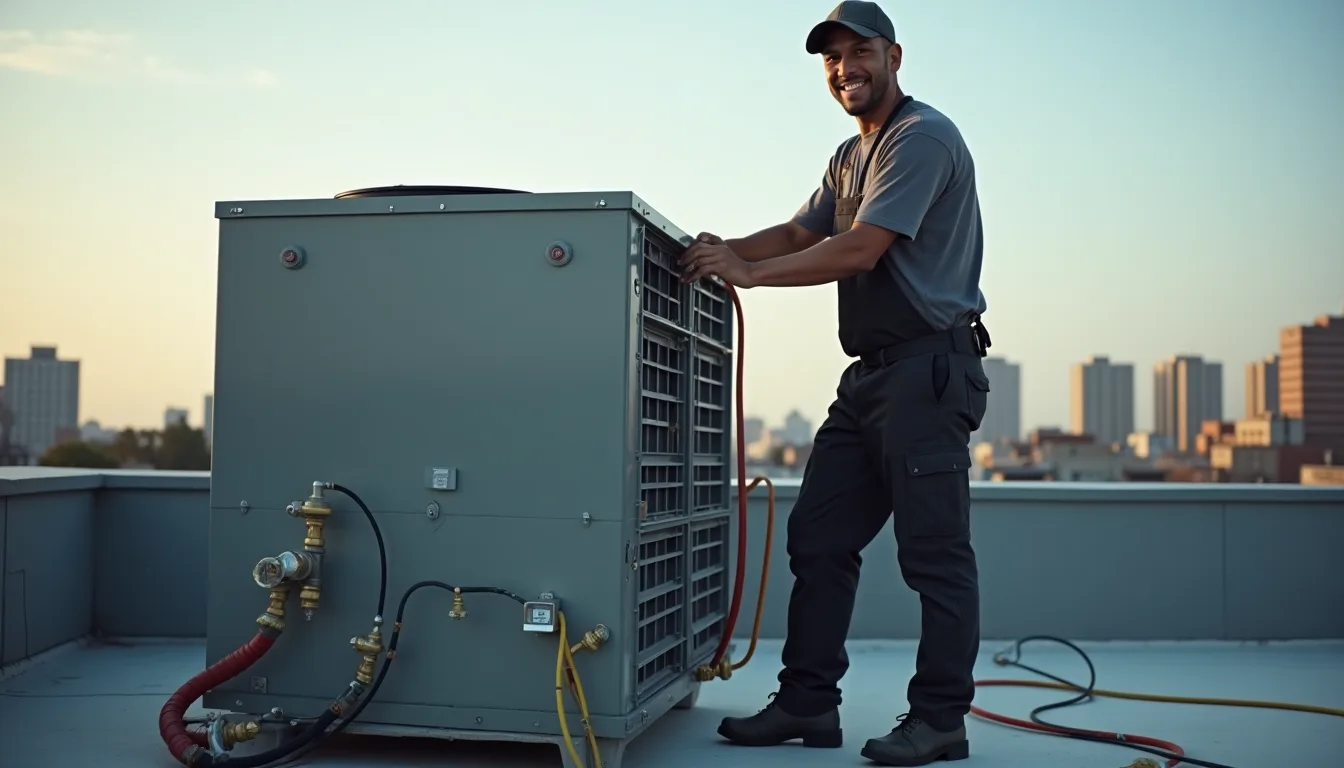
If you're living in Denver, you know how unpredictable the weather can be. One minute it's sunny, and the next, hail is pounding your roof. Your HVAC system plays a crucial role in navigating these rapid temperature swings. But there's so much more to managing your heating and cooling systems than just flipping a switch. Here are eight insights from your local HVAC technicians that can make a real difference in your home comfort and energy efficiency.
Why This Matters for Denver Homeowners
Rapid changes in temperature can leave HVAC systems struggling to keep up. Denver's unique climate, with its sudden weather shifts, can put significant stress on heating and cooling units. This often leads to expensive repairs or replacements that could have been avoided. Many Denver homes are built on expansive clay soils, further complicating drainage issues that can exacerbate HVAC challenges.
Spring's freeze-thaw cycles can also result in structural stress. Homeowners need to ensure their HVAC systems are well-maintained, especially before transitioning from heating to cooling. Malfunctions not only decrease comfort but can also lead to higher energy costs.
Ignoring these nuances can result in costly mistakes, making it essential for homeowners to stay informed on HVAC best practices specific to their region.
Expert Solutions & Actionable Tips
1. 1. Understand Your System’s Needs
Your heating and cooling systems are not one-size-fits-all. In Denver, with its dry air and varying humidity levels, it's imperative to understand what your unique system requires. Regular filter changes can cost you $15-30 every 1-3 months, but neglecting them can lead to more significant repair bills later. Consider investing in a quality HEPA filter for better air quality.
2. 2. Optimize Thermostat Settings
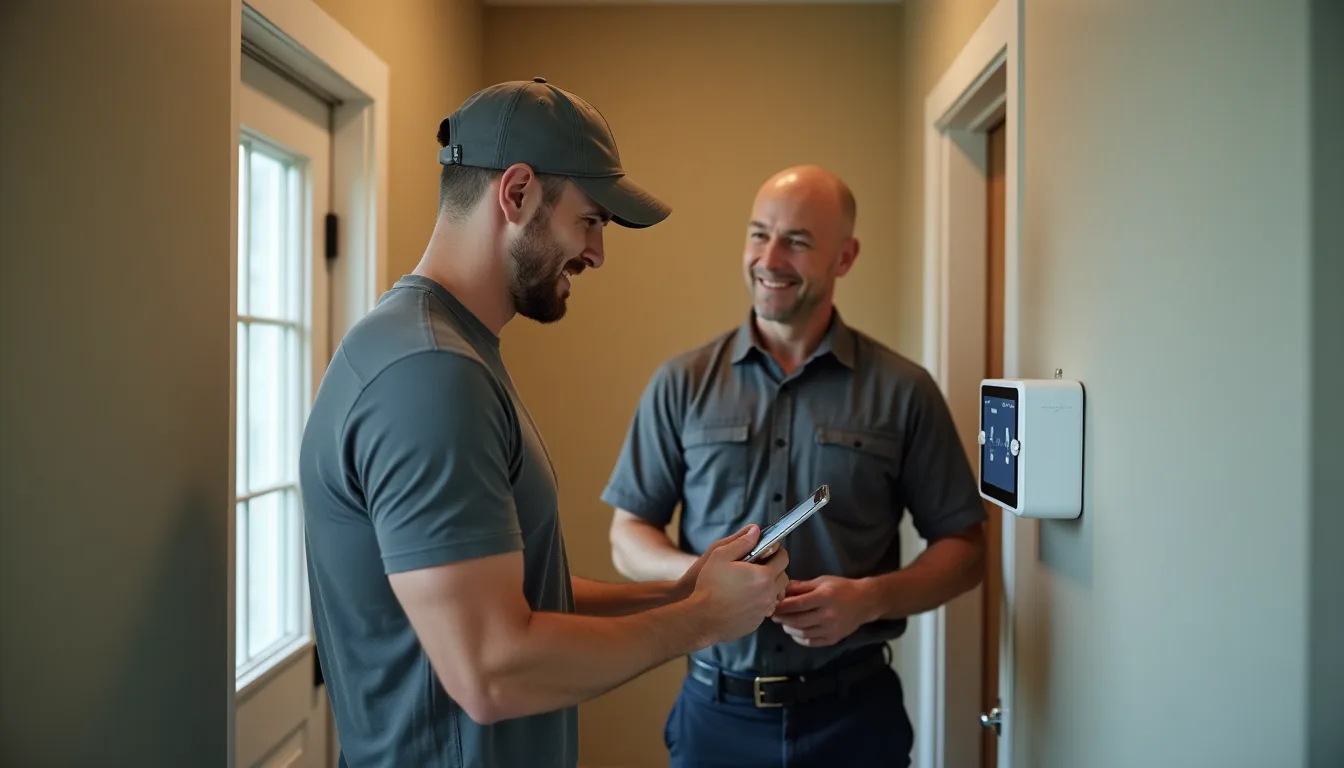
Programmable thermostats can save Denver homeowners about 10-30% on heating and cooling costs. Setting your thermostat back by just 7-10 degrees for eight hours a day can lead to substantial savings over time. Denver's fluctuating temperatures make it easier to program your thermostat to adjust accordingly, ensuring that energy isn’t wasted when you’re not home.
3. 3. Insulation Matters
Insulation in Denver homes is vital due to the cold winters and warm summers. Poorly insulated attics can lose around 20-25% of heat due to insufficient insulation, costing homeowners more in energy expenses. Inspecting and upgrading your insulation might incur initial costs between $1,000 to $3,000, but it greatly enhances long-term energy efficiency.
4. 4. Be Wary of DIY Repairs
Your HVAC system is complex, and attempting DIY repairs can lead to more significant problems. While simple tasks like changing filters or cleaning vents are manageable, complicated tasks such as compressor replacements can range from $1,500 to $2,500 and should be left to professionals. Always weigh your options and consult before getting hands-on.
5. 5. Regular Maintenance is Key
Regularly scheduled maintenance can extend the life of your HVAC system significantly. Denver homeowners should budget for annual tune-ups that generally cost between $75 to $150. These sessions help detect small issues before they escalate, ensuring your system runs smoothly during peak seasons.
6. 6. Consider Seasonal Changes
Denver experiences fluctuating seasons, meaning your system's demands will change throughout the year. After the snow melts in spring, evaluate your cooling system while it’s still cool outside. The best time to replace an old AC unit is spring, when prices might be lower, with average replacement costs ranging from $3,000 to $6,000.
Denver Climate & Local Context
Denver's climate is recognized for its rapid temperature fluctuations, ranging from scorching summers to frigid winters. Homes built on expansive clay soils pose unique drainage challenges that can lead to significant heating and cooling obstacles. The local building code often requires specific drainage solutions, particularly to prevent water from pooling near HVAC units. Ignoring these factors can lead to performance issues over time.
Additionally, local code may mandate regular inspections, ensuring systems operate within the safety and efficiency regulations. Understanding these nuances can save homeowners from costly fines and repairs, making it vital to consult with local experts like Peak Comfort Heating and Cooling for compliance and efficiency.
When to Call a Professional
Knowing when to reach out to a professional versus tackling an issue yourself can save you time and money. Issues that can be safely handled by homeowners include replacing filters and cleaning vents. Conversely, tasks like refrigerant recharges, repairing ductwork, or major component replacements are best left to experts.
- You notice unusual noises from your HVAC system.
- It’s blowing hot air unexpectedly.
- Your energy bills suddenly spike.
- The unit is leaking fluid.
- You have poor air quality complaints.
- Foul odors are emanating from the vents.
- The system short cycles frequently.
- It's been over a year since your last professional checkup.
Frequently Asked Questions
What HVAC services do you provide in Denver?
Peak Comfort Heating and Cooling offers a full range of HVAC services, including installation, maintenance, and repair of heating and cooling systems tailored to Denver's unique climate and building needs.
How often should I have my HVAC system serviced?
We recommend at least once a year for regular maintenance. In Denver, it's especially beneficial to schedule a tune-up before seasonal transitions to ensure optimal performance.
What are common signs that my HVAC system needs repairs?
Watch for indications like strange noises, fluctuating temperatures, or increased energy bills. These can signal underlying issues that need professional attention.
Can I install a new HVAC system myself?
While minor tasks can be handled by homeowners, installing a new HVAC system should be left to professionals due to the complexities involved and local code requirements.
What is the average cost of an HVAC installation in Denver?
The cost for a new HVAC system typically ranges from $3,000 to $7,000 depending on the size and type of unit, as well as the specific needs of your home.
Get Expert HVAC Service in Denver
If you're ready to ensure your home's HVAC system is ready for whatever Denver's weather throws at it, reach out to Peak Comfort Heating and Cooling today. Our experienced technicians are here to help you with all your heating and cooling needs.
Call us at (719) 204-9129 to schedule your appointment and experience the comfort of a properly functioning HVAC system!